
Quick Commerce Boom in Tier 2 and Tier 3 Cities: How 10-Minute Delivery is Changing India in 2026
Quick delivery searches up 61% in 2026 as Tier 2 cities like Surat, Kanpur drive growth with 7000 micro centres.
By Editorial Desk
Quick Commerce Boom in Tier 2 and Tier 3 Cities: How 10-Minute Delivery is Changing India in 2026
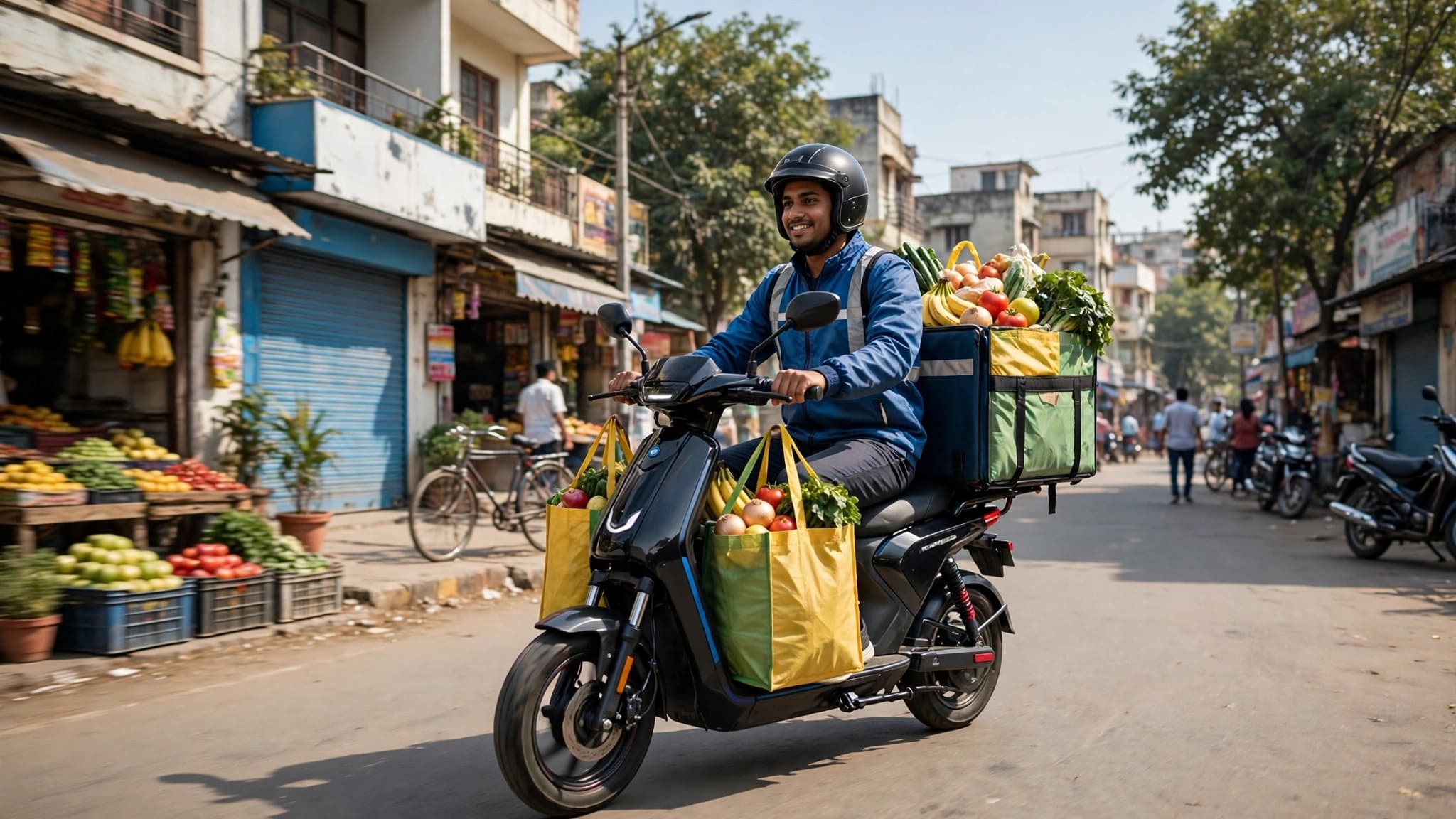
Quick commerce, which started as a metro city luxury in 2022, has become a nationwide phenomenon in 2026. According to recent market data, quick delivery queries reached 29 million monthly searches, up 61% year-on-year. While companies like Blinkit, Zepto, and Swiggy Instamart initially focused on Delhi, Mumbai, and Bengaluru, the real growth story in 2026 is coming from Tier 2 and Tier 3 cities such as Surat, Kanpur, Vizag, Lucknow, and Coimbatore.
Bain and Flipkart data counts more than 7,000 micro-fulfilment centres across India, with two-thirds of new ones opening in the top ten cities but a rapidly growing number expanding into smaller towns. The reason is simple: rising disposable income, affordable smartphones, and the expectation of convenience. A young professional in Kanpur now expects the same 10-minute delivery for groceries and medicines as someone in South Delhi. This shift is forcing quick commerce companies to rethink their logistics, product assortment, and pricing strategies.
One of the biggest changes is product localization. In metro cities, quick commerce baskets are dominated by imported snacks, ready-to-eat meals, and premium personal care. In Tier 2 cities, the demand is for local products. For example, in Surat, there is high demand for Locho and Khaman ready-mixes; in Vizag, customers order filter coffee powder and Pulihora paste; in Kanpur, it is Thaggu ke Laddu and local namkeens. Brands that have understood this and partnered with local manufacturers are winning. This has created a huge opportunity for small D2C brands to supply local products and packaging without needing to run their own delivery network.
For consumers, quick commerce is more than just convenience; it is financial control and time saving. Many families in Tier 2 cities are nuclear, with both partners working. The ability to get forgotten school supplies, baby diapers, or evening snacks within 10 minutes reduces stress and saves time. The average order value in Tier 2 cities is slightly lower than in metros (Rs. 350 vs Rs. 450), but the frequency is higher. Customers order 3-4 times a week compared to 2 times in metros, making these cities highly profitable in the long run.
However, challenges remain. Delivery infrastructure in smaller cities involves narrow lanes, less accurate mapping, and extreme weather conditions. Companies are investing in electric two-wheelers and training delivery partners in local languages. The expansion of EV charging infrastructure, heavily pushed by the government to reduce carbon footprint, is also helping quick commerce fleets to become more sustainable and cost-effective. Battery swapping stations are now common in cities like Indore and Nagpur.
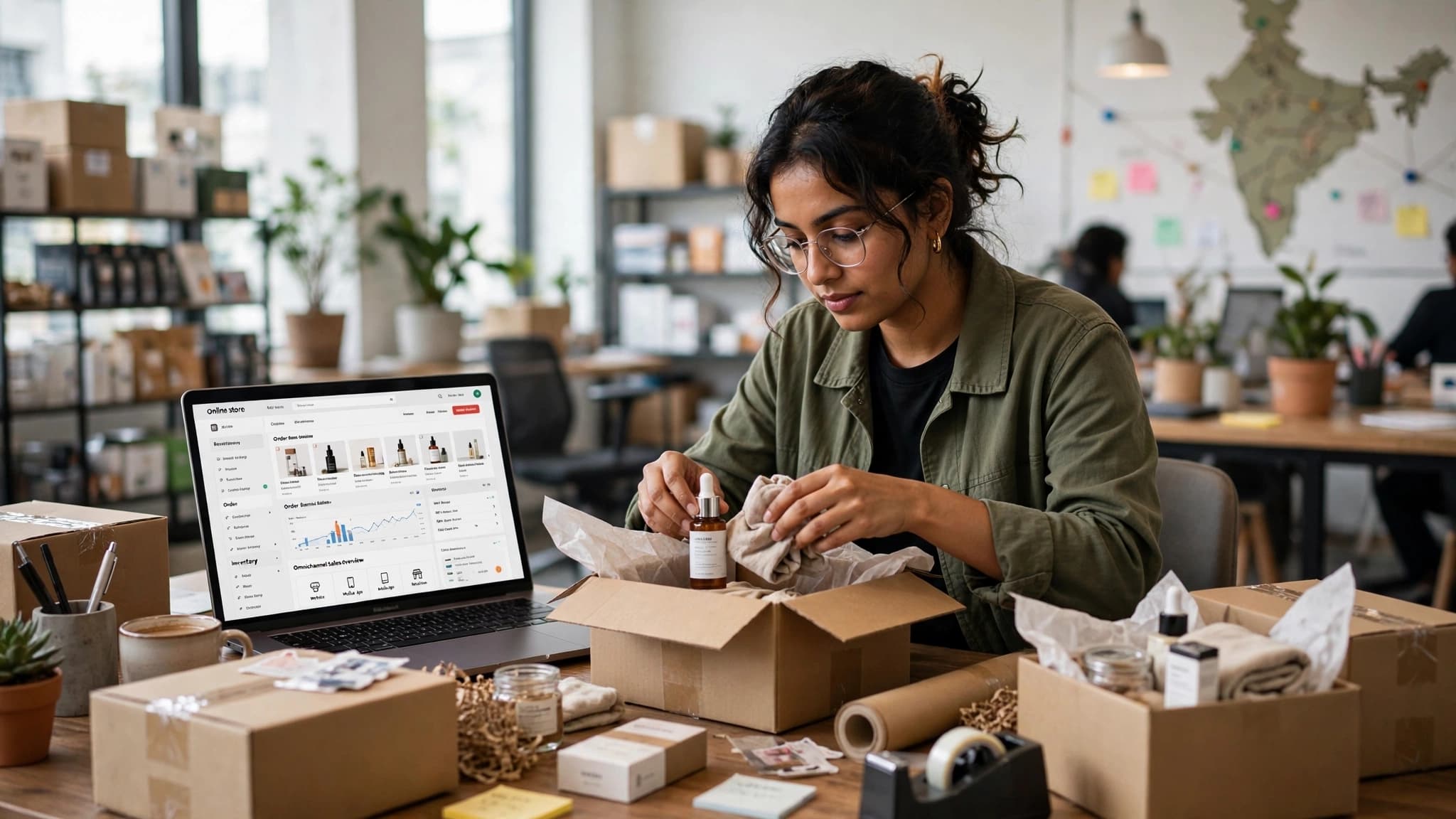
From a business perspective, if you are a local shop owner, you should not see quick commerce as competition but as a distribution channel. You can list your best-selling products on these platforms. If you are a blogger or affiliate marketer, topics like "Best Quick Commerce Apps in Lucknow," "Zepto vs Blinkit in Coimbatore Price Comparison," and "How to Save Money on 10-Minute Delivery" are trending and AdSense safe with high search volume.
The future of quick commerce in India is not just about speed; it is about trust, hyperlocal assortment, and integration with AI. In 2026, we are seeing AI-powered apps that predict what you will need before you order. For example, if you ordered milk two days ago, the app will remind you to reorder. This predictive commerce, combined with regional language voice search, will make quick commerce even more accessible to the next 200 million users from Bharat.
In summary, the quick commerce story has moved from metros to the heart of India. It is a clear example of how technology, when adapted to local needs, can create inclusive growth and new opportunities for everyone.