
D2C Brands and Omnichannel Retail in India 2026: How Direct-to-Consumer is Winning Hearts
D2C brands boom in India 2026 with omnichannel retail, Shopify, ONDC and Indian weaves like Ikat Kalamkari.
By Editorial Desk
D2C Brands and Omnichannel Retail in India 2026: How Direct-to-Consumer is Winning Hearts
One of the most rigorous Indian business trends in 2026 is the unstoppable rise of D2C (Direct-to-Consumer) brands and omnichannel retail. This model, which emphasizes direct engagement with hyper-personalized customer experiences, has transformed the Indian market landscape. The days when you needed a big distributor to sell your product across India are over. Today, a founder in Jaipur can sell handmade juttis directly to a customer in Kochi through Instagram, Shopify, and quick commerce.
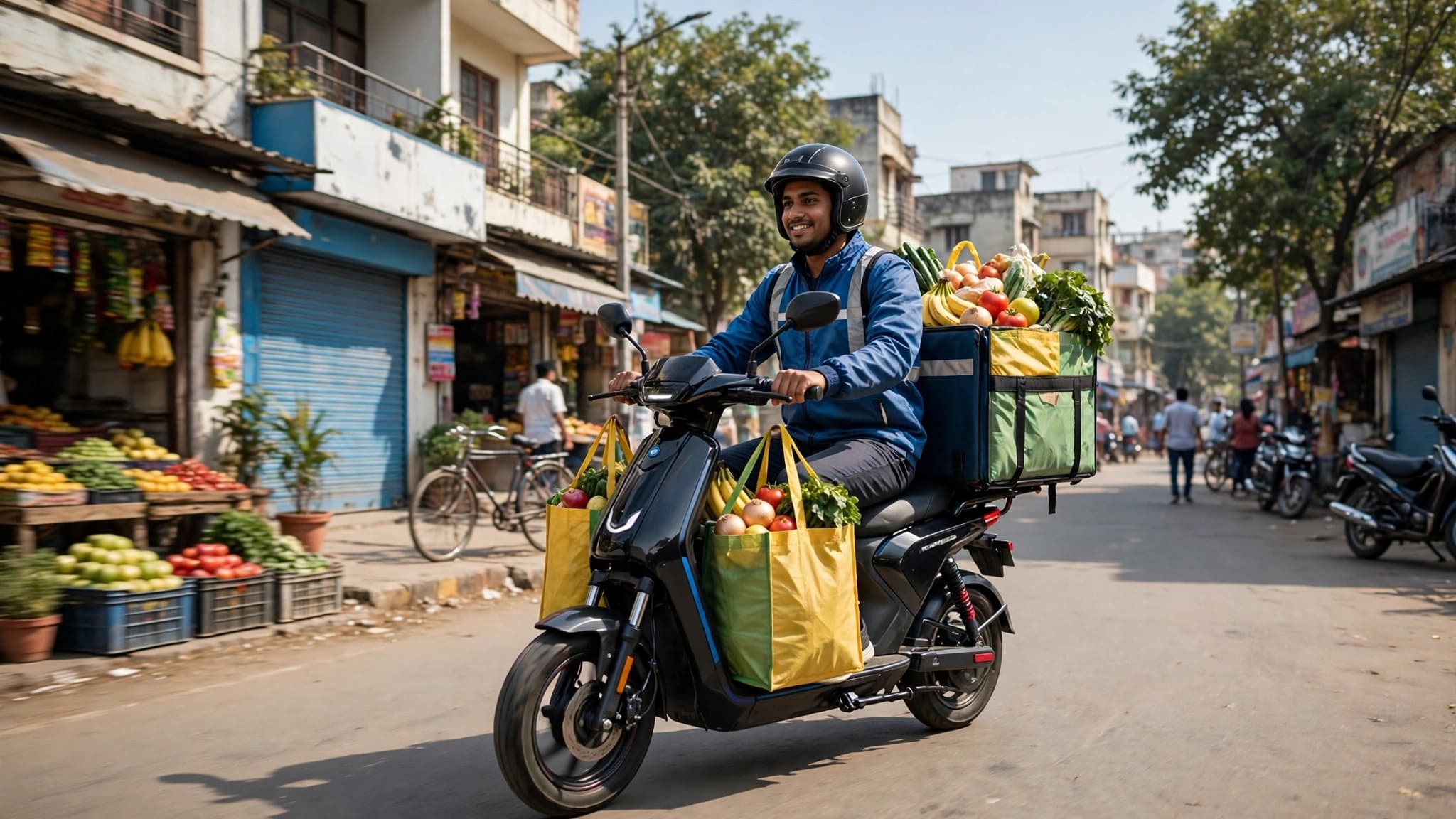
The Indian market landscape is highly favourable for B2C brands for several reasons. First, there are over 800 million internet users, with affordable data and smartphones. Second, digital payments via UPI have made online transactions seamless and trusted. Third, logistics networks from Delhivery, Ecom Express, and Shiprocket have made it possible to deliver a product from a small town to any pincode within 48 hours. Data analytics and advanced logistics are scaling better than traditional retail. The model of omnichannel retail by incorporating B2C brands makes the bonding between business innovation and customer experience more reliable.
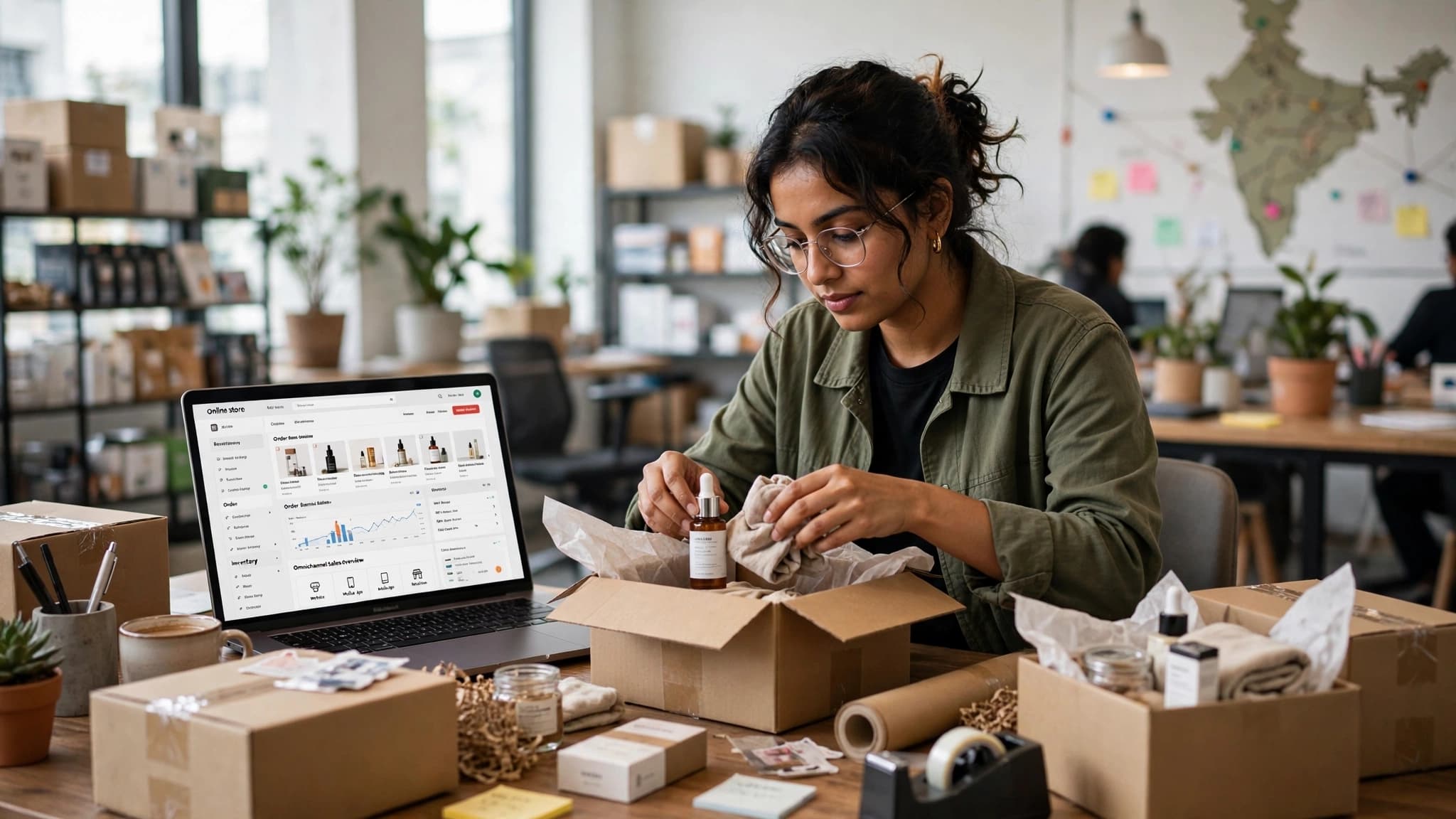
What is omnichannel retail? It means being present wherever your customer is. A successful D2C brand in 2026 does not just have a website. It sells on its own website, on Amazon and Flipkart, on quick commerce apps like Blinkit, on Instagram Shop, and even has a small offline kiosk in a mall in Tier 1 cities. For example, a beauty brand like Mamaearth or Sugar Cosmetics will sell on all these channels, but the customer data is centralized. If you bought a lipstick on Instagram, you will get a personalized email about a matching eyeliner on their website. This hyper-personalization powered by artificial intelligence is the key to customer retention.
The success stories are inspiring. Brands like BoAt (audio), Lenskart (eyewear), Zouk (bags made from Indian fabrics), and SleepyCat (mattresses) started as online-only D2C brands and are now valued at thousands of crores. They succeeded because they focused on a specific niche, built a strong community on social media, and listened to customer feedback obsessively. For instance, Zouk uses traditional Indian weaves like Ikat and Kalamkari but designs them for modern office use, blending sustainable design rooted in regional heritage with contemporary needs.
The "affordable-premium convergence" is also driving D2C growth. Indian consumers are increasingly choosing premium products while also seeking affordable, high-value essentials. This is evident across categories like smartphones, apparel, and jewelry. A customer will buy a premium D2C coffee brand like Sleepy Owl for Rs. 400 but will also look for affordable, high-quality daily wear from a D2C brand like Bewakoof. This duality means there is space for both premium and value D2C brands.
For aspiring entrepreneurs and bloggers, the D2C space offers immense opportunities. If you want to start a business, you can start with digital products or local services that need no inventory, like tutoring or AI automation for local shops. If you are a blogger, topics like "Top 10 Profitable D2C Business Ideas in India," "How to Start a D2C Brand on Shopify India," "Best D2C Skincare Brands in India 2026," and "D2C vs Traditional Retail Profit Margin Comparison" are highly searched and AdSense safe. You can earn through affiliate marketing by partnering with D2C brands.
The government is also supporting this ecosystem. The ONDC (Open Network for Digital Commerce) initiative is trying to democratize e-commerce by creating an open network where small sellers can compete with large marketplaces. The India-US bilateral trade pact talks reaching final stages and FTAs with the UK and EFTA are also opening up export opportunities for Indian D2C brands.
In conclusion, D2C and omnichannel retail in India in 2026 is not just a business model; it is a movement that empowers small founders, celebrates Indian craftsmanship, and puts the customer at the centre. It is about building brands that are intimate, accountable, and unmistakably tied to this vibrant, multifaceted country. The future belongs to brands that can be both digital and physical, both local and global.