
Digital Safety and Parenting in India 2026: How Indian Parents are Protecting Gen Alpha Online
Digital safety searches up 241% in India 2026 as parents use Family Link and safe search filters for Gen Alpha.
By Editorial Desk
Digital Safety and Parenting in India 2026: How Indian Parents are Protecting Gen Alpha Online
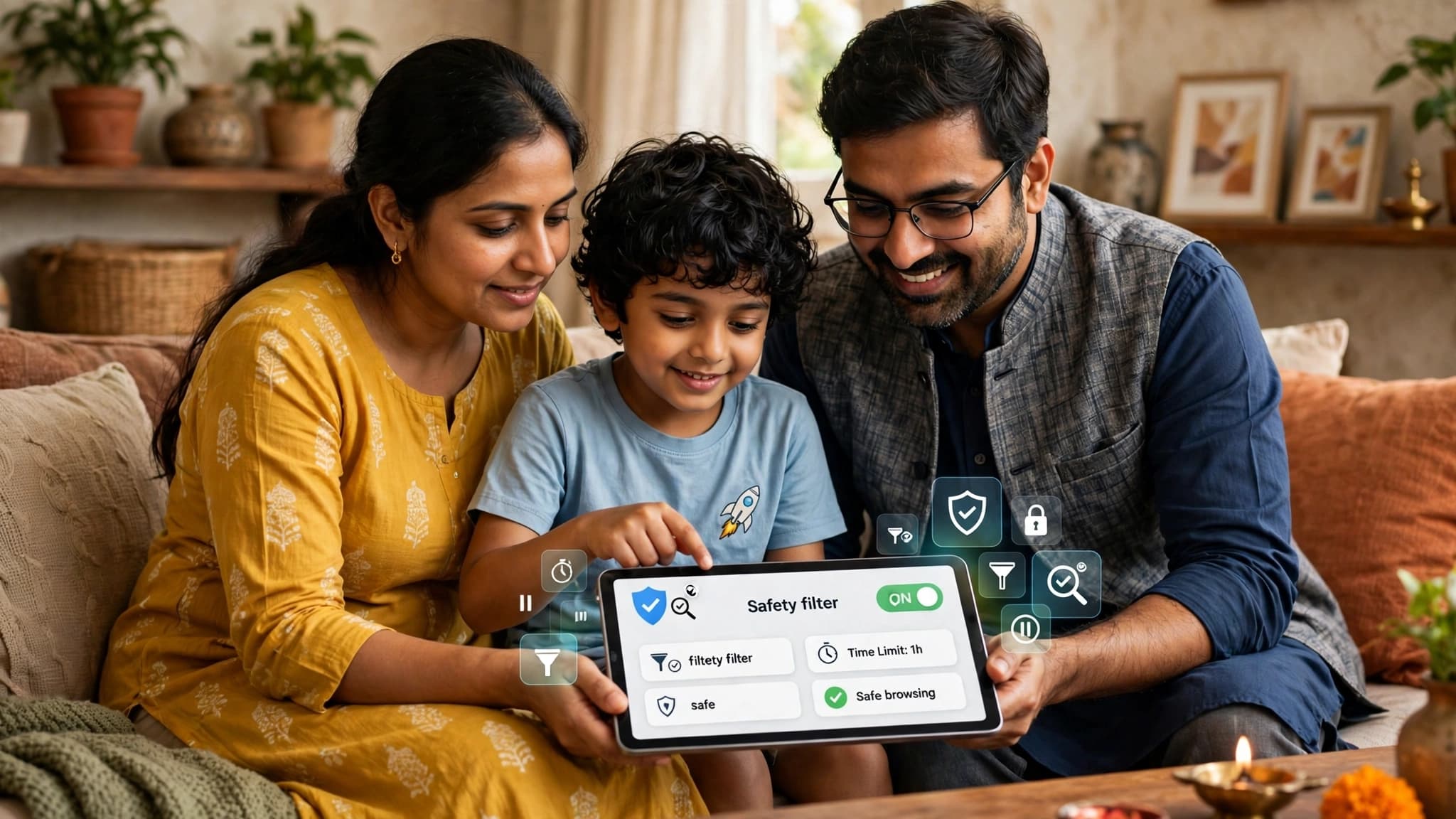
In 2026, the biggest parenting challenge in India is not about what to feed children or which school to choose; it is about how to keep them safe in the digital world. With AI searches exploding to 235 million monthly and average screen time for children crossing 6 hours a day, Indian parents are building digital fortresses around their kids. According to Kantar's India in Search 2026 report, searches for safe search filters rose 241%, Android parental controls jumped 124%, and Google's Family Link gained 22%. This is not just about restriction; it is about conscious digital parenting.
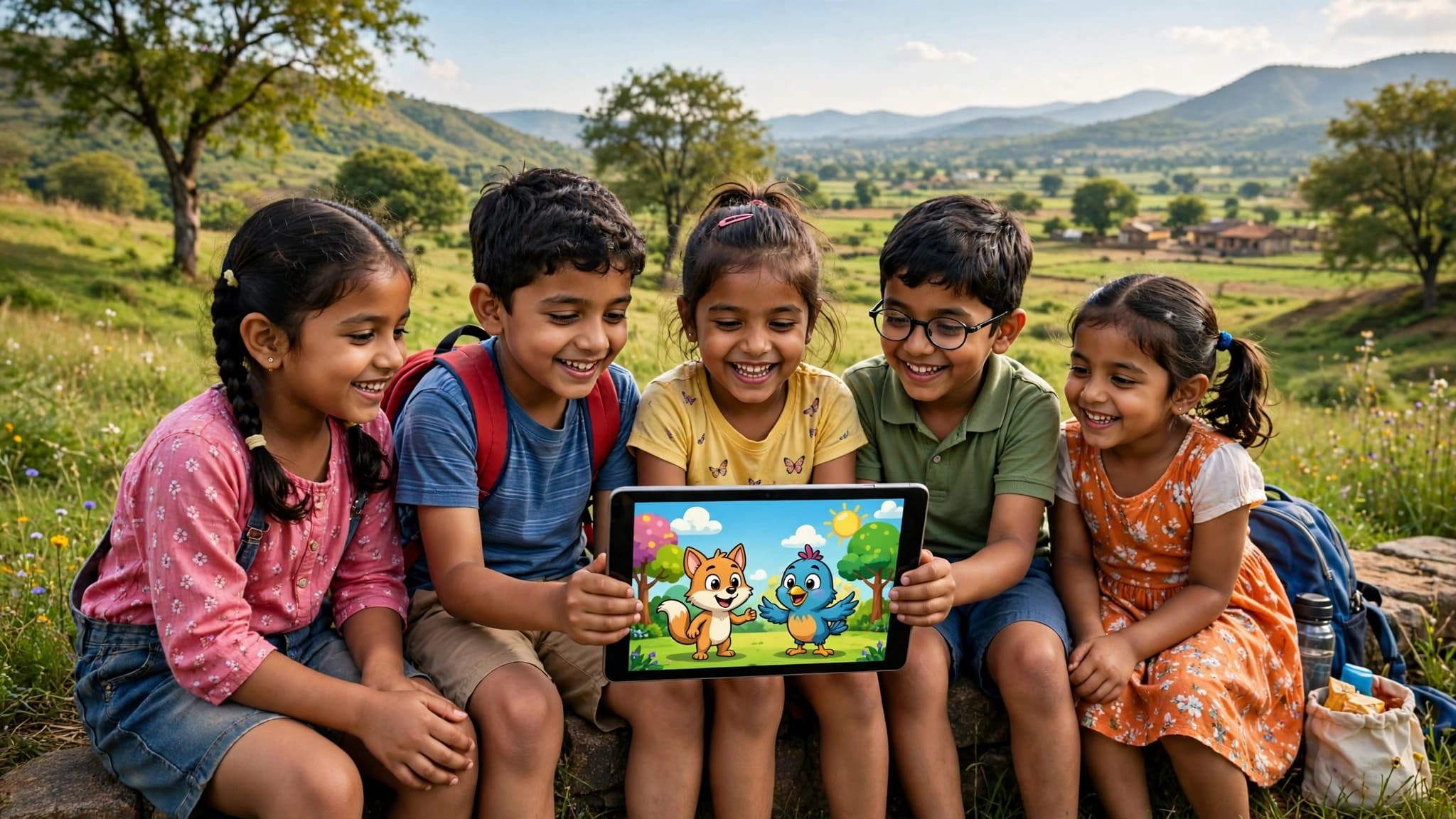
Gen Alpha, the generation born after 2010, is growing up in a world where curiosity is mediated through guardrails. They are digital natives who can swipe before they can speak. While this gives them incredible access to knowledge, it also exposes them to risks like inappropriate content, cyberbullying, online predators, and misinformation. Indian parents, traditionally more protective, are now becoming tech-savvy protectors. A mother in Pune is as likely to know how to set up YouTube Kids filters as she is to know how to make a healthy tiffin.
The tools for digital safety have become more advanced and accessible in 2026. Google's Family Link allows parents to set screen time limits, approve app downloads, and see location history. SafeSearch filters on Google and YouTube can block explicit content. Android parental controls can restrict in-app purchases and filter content based on age. But beyond tools, the conversation around digital safety has matured. Parents are now having open discussions with children about what is safe to share online, how to identify fake news, and what to do if they encounter something uncomfortable. Schools and edtech platforms report an increasing demand for experiential learning that includes digital literacy and cyber safety.
Faith and values are also playing a role in digital parenting. Searches for female pandits for weddings jumped 100% and Navratri gift searches shot up 267%, showing that families want to blend tradition with modernity. Many parents are using technology to teach values. For example, they use apps that tell stories from the Mahabharat and Ramayana with interactive animations, or AI tools that explain Gita shlokas in simple language. This is religion being personalised, digitised, and consumed on demand, helping children stay connected to culture while navigating the digital world.
The concept of "conscious isolation vs. curated involvement" from Hakuhodo's Trends 2026 report perfectly captures modern Indian parenting. Some parents choose conscious isolation, meaning they strictly limit screen time and encourage outdoor play, nature walks, and board games. This aligns with the rising trend of kids and family experiential learning, where parents consciously join their children in play as a way to strengthen emotional bonds, a trend called "kidulting." Others choose curated involvement, where they actively co-watch content with children, play video games together, and use digital tools for creative projects like making a family vlog or coding a simple game.
For bloggers and content creators, digital parenting is a highly searched, AdSense-safe, and evergreen niche. Topics like "Best Parental Control Apps in India 2026," "How to Set Up Family Link on Android," "Safe YouTube Channels for Kids in Hindi," "How to Talk to Kids About Online Safety," and "Screen Time Guidelines for Children by Age" have huge search volume and are trusted by both parents and advertisers. Educational brands, child safety apps, and even insurance companies love to advertise on such content. You can also create content in regional languages, as demand for Tamil, Telugu, and Marathi parenting content is growing rapidly.
The government and NGOs are also stepping in. The Ministry of Women and Child Development has launched campaigns on safe internet practices. Cybercrime cells in cities like Delhi, Mumbai, and Hyderabad have dedicated helplines for children and parents. Schools are now required to have a digital safety curriculum.
In conclusion, digital safety and parenting in India in 2026 is about balance, not ban. It is about empowering children with technology while protecting their innocence and well-being. Indian parents are showing that it is possible to be both modern and mindful, both digital and rooted. By building digital fortresses with love and communication, rather than just fear and control, they are raising a generation that is not just tech-savvy but also safe, empathetic, and wise. For any parent reading this, remember: the best filter is not in the device; it is in the open conversation you have with your child every day.