
Concert Culture Boom in India 2026: How Live Music and Experience Economy are Creating a Billion Dollar Industry
Concert culture explodes in India 2026 with drone shows, Haryanvi Bhojpuri artists and experience economy boom.
By Editorial Desk
Concert Culture Boom in India 2026: How Live Music and Experience Economy are Creating a Billion Dollar Industry
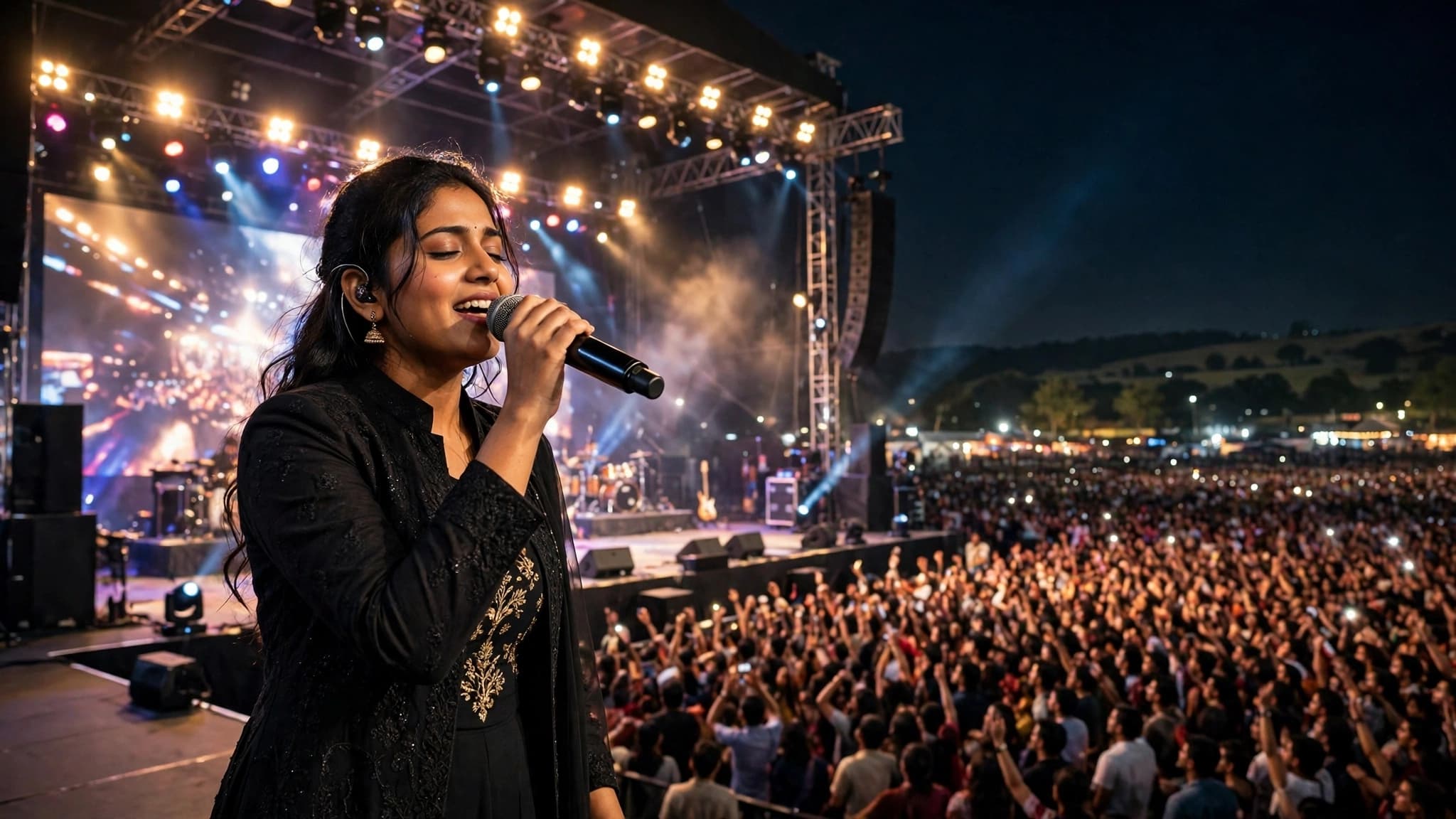
If you have tried to buy a ticket for a music concert in India in 2026, you know how hard it has become. The concert culture and experience economy are on a tear in India, and this year is set to be the biggest ever for live entertainment. From Diljit Dosanjh filling stadiums to Coldplay adding extra shows in Mumbai and Ahmedabad due to demand, Indians are spending more on experiences than on products. This shift from owning things to collecting memories is the defining consumer trend of 2026.
According to economic trends reports, spending is increasingly flowing toward immersive, high-touch experiences such as curated travel, destination dining, wellness retreats, cultural access, and lifestyle memberships rather than purely product-led indulgence. Music concerts sit at the heart of this experience economy. These categories offer what luxury consumers value most: social currency, memorability, and a sense of identity that extends beyond the object. A video of you at a Post Malone concert in Gurgaon or a Haryanvi music festival in Chandigarh is more valuable on Instagram than a photo of a new handbag.
The most exciting part of this boom is the rise of regional genres. While Bollywood and Punjabi music have always been big, 2026 is seeing Haryanvi, Bhojpuri, and Malayalam genres evolve with global sonic influences, following the trajectory carved out by Punjabi musicians. Artists like Renuka Panwar (Haryanvi), Shilpi Raj (Bhojpuri), and Dabzee (Malayalam) are selling out shows not just in their home states but across India and even in Dubai and London. This is powered by the dominance of regional language content on YouTube and Instagram, where 70% of music consumption now happens. Expect more cross-border collaborations too, with Indian artists teaming up with K-Pop and Afrobeats artists.
Indian artists are also becoming more conscious of their fandom and seeking ways to monetize their audience directly. In 2026, an artist does not just earn from ticket sales. They earn from merchandise, paid fan clubs on platforms like Discord, exclusive content on YouTube memberships, and brand collaborations that feel authentic. For example, an indie artist from Nagaland can sell handwoven shawls designed by her community at her concert, blending music with sustainable fashion rooted in regional heritage. This direct-to-fan model is inspired by the success of D2C brands and omnichannel retail.
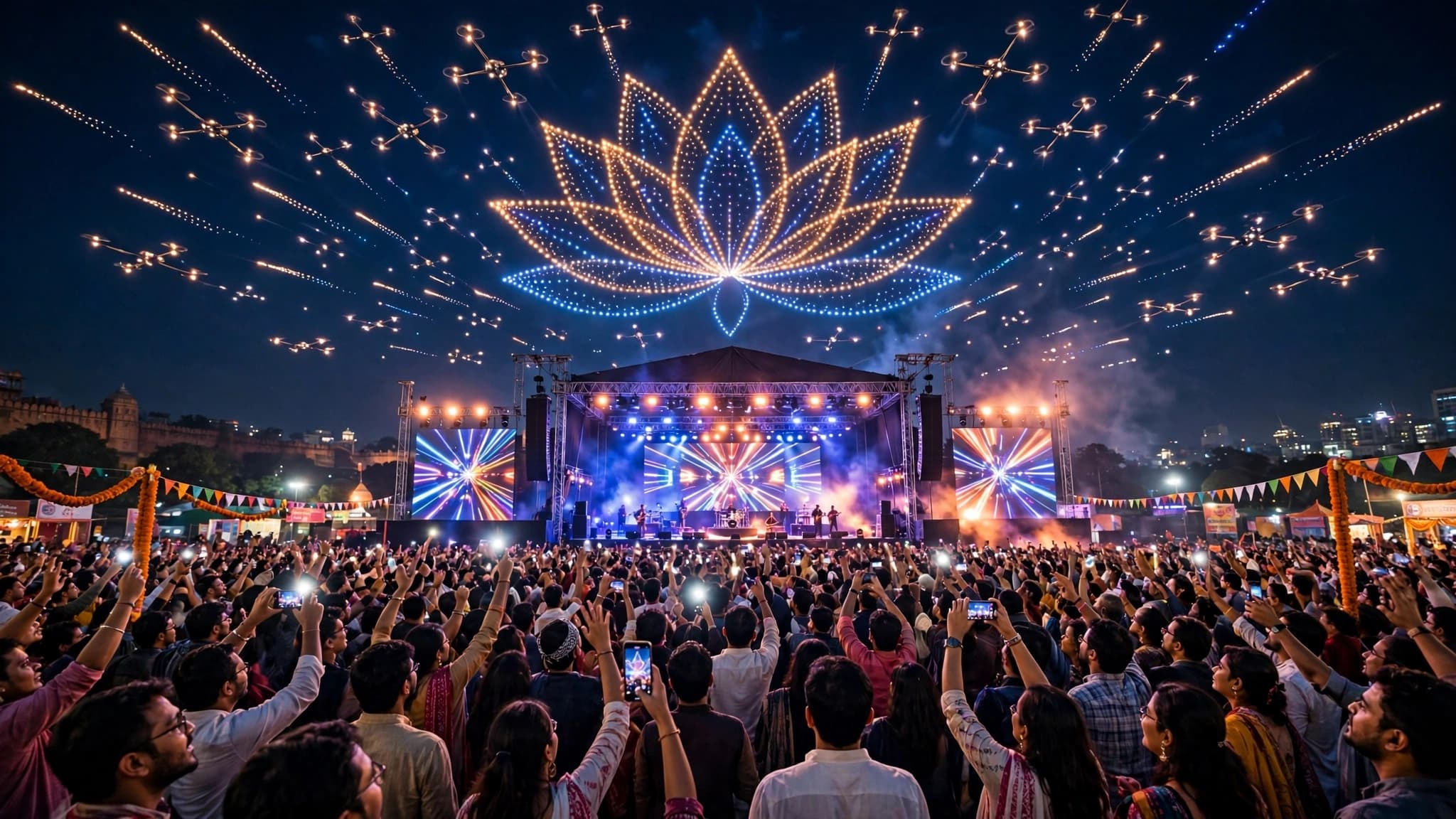
The infrastructure to support this boom is also growing rapidly. New venues like the Nita Mukesh Ambani Cultural Centre in Mumbai, renovated stadiums with better acoustics, and even temporary venues in places like Mysuru, where 3,473 drones created a giant dancing peacock for Dasara, setting a Guinness World Record, are enhancing the concert experience. Drone shows have now become a standard part of large music festivals, creating immersive aerial animations that go viral on social media. Event management companies are using advanced simulation software and swarm intelligence to create these shows, just like BotLab Dynamics did for Mysuru Dasara.
For bloggers, content creators, and small businesses, the concert economy offers huge AdSense-safe opportunities. You can write about "Upcoming Concerts in Delhi 2026 Ticket Price," "Best Haryanvi Songs for Party Playlist," "How to Start a Music Event Planning Business," or "Most Popular Bhojpuri Singers on YouTube." These topics have massive search volume, especially among Gen Z, and attract advertisers from ticketing platforms, audio brands, and fashion brands. You can also cover sustainable concert fashion, like pre-draped sarees and modern kurta ensembles for concert-goers.
The social impact is also significant. Music festivals are now conscious about sustainability, using eco-friendly materials, avoiding single-use plastic, and promoting local artisans. Community event organizers are noticing a significant rise in preference for nature and historical walks and food tours among Gen Z, and many festivals now include these elements, making them holistic cultural experiences rather than just music shows.
In conclusion, the concert culture boom in India in 2026 is about more than just music. It is about identity, community, and the human need for shared joy. In a world dominated by digital screens, the experience of singing along with thousands of strangers under the open sky is more valuable than ever. For India, with its rich musical heritage and young population, this is just the beginning of a long and melodious journey.