
AI Revolution in India 2026: How 235 Million Monthly Searches Are Reshaping Daily Life
Discover how AI searches hit 235M monthly in India 2026, from Gita GPT to Mahabharat AI, transforming jobs, culture and businesses.
By Editorial Desk
AI Revolution in India 2026: How 235 Million Monthly Searches Are Reshaping Daily Life
India in 2026 is living through an artificial intelligence revolution that no one predicted just three years ago. According to Kantar's India in Search 2026 report, AI-related searches have exploded to 235 million average monthly searches, marking a 154% year-on-year growth. This is not just a technology trend; it is a cultural transformation affecting how 1.4 billion Indians work, pray, learn, and live.
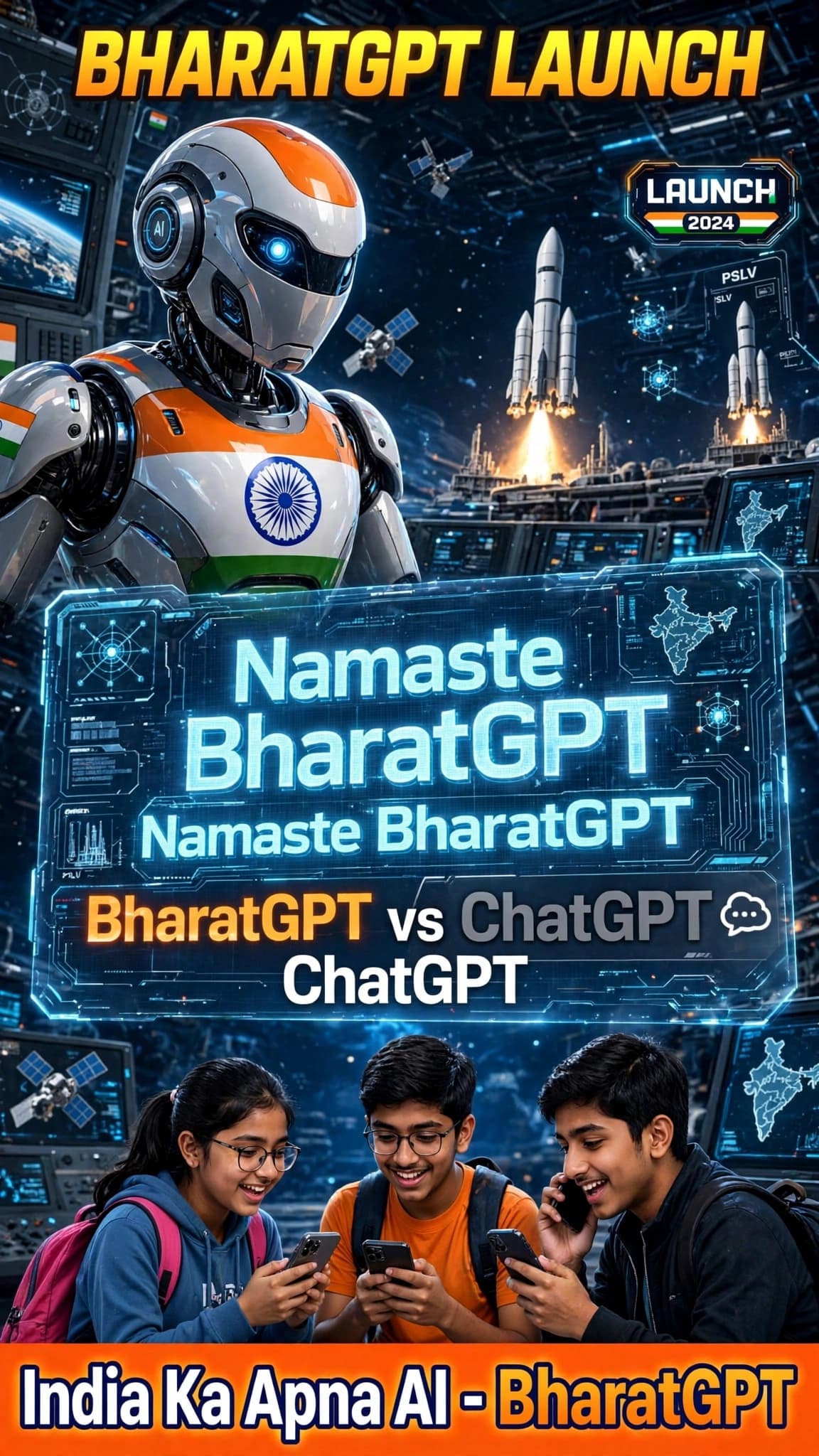
The most fascinating aspect of this AI boom is its deep integration with Indian culture and spirituality. Searches for "Mahabharat AI" surged by 400%, while "Gita GPT" rose by 83%. Indians are not just using AI for work; they are using it to reconnect with their roots. Developers in Bengaluru and Hyderabad have launched AI models that can recite the Bhagavad Gita in 22 Indian languages, explain complex shlokas with modern examples, and even create personalized daily wisdom based on your mood. This blend of ancient wisdom and modern technology is uniquely Indian and shows why global tech giants are now looking at India as the biggest AI laboratory in the world.
In the business sector, the impact is even more profound. Small and medium enterprises (SMEs), which form the backbone of the Indian economy, are adopting AI automation at an unprecedented rate. A local saree shop in Surat can now use a WhatsApp chatbot to handle customer queries in Gujarati, Hindi, and English 24/7. A restaurant in Indore uses AI to predict which dishes will sell more on weekends based on weather and local events. The cost of starting an AI automation agency has dropped below Rs. 50,000, making it one of the most trending business ideas in India for 2026. Young entrepreneurs from Tier 2 cities like Kanpur and Vizag are building AI tools for local businesses without needing to move to metro cities.
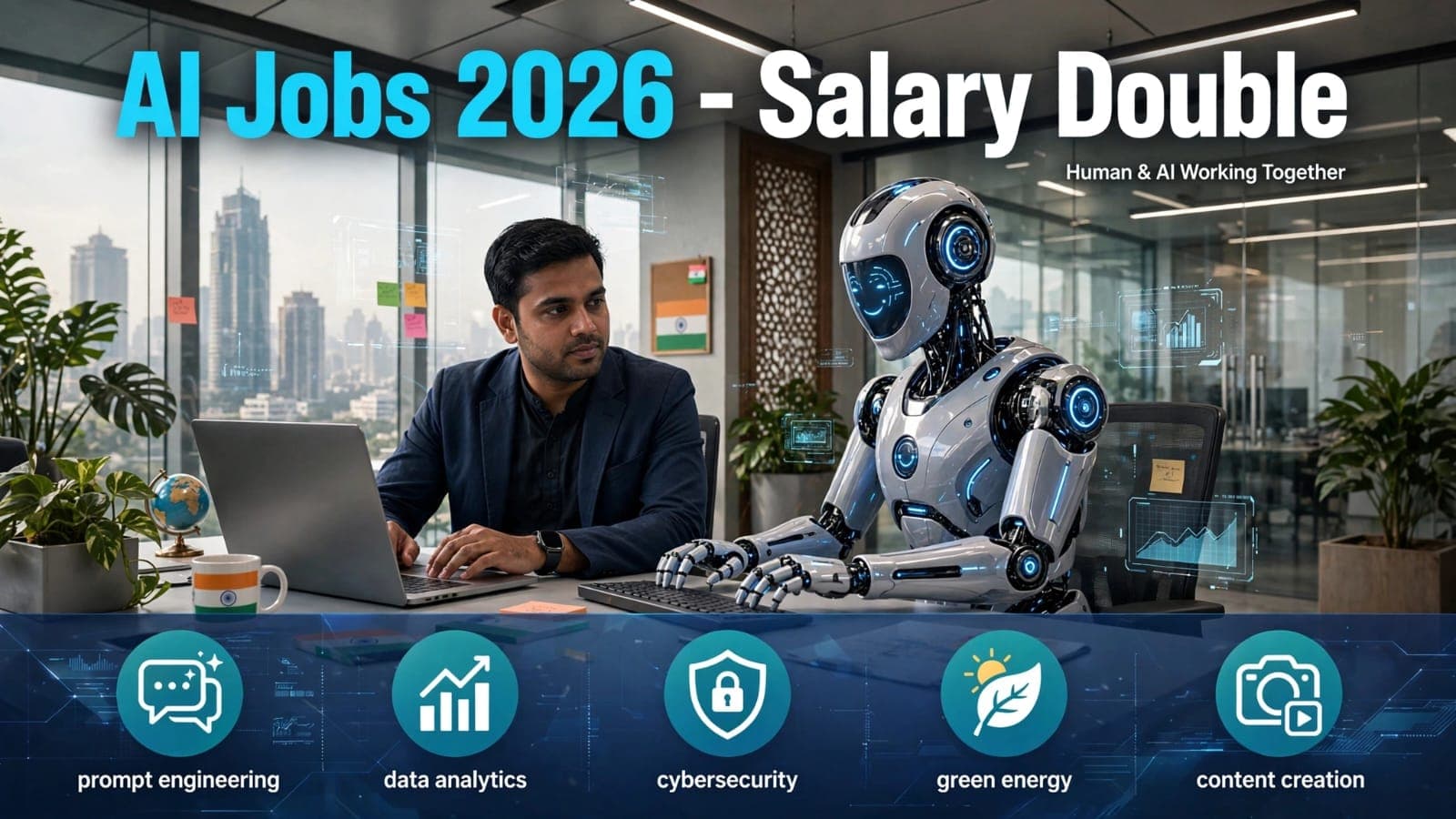
The job market is also being reshaped. While fears of job loss were common in 2023, the reality in 2026 is different. The India-EFTA TEPA agreement is facilitating $100 billion in investment and creating 1 million direct jobs, many of which require AI literacy. Companies are not replacing humans with AI; they are augmenting human capabilities. Roles like AI Prompt Engineer, Regional Language AI Trainer, and AI Ethics Officer have become common in job portals like Naukri and LinkedIn. The government’s Skill India mission has added AI modules in ITI courses, ensuring that even students from small towns can participate in this revolution.
However, this rapid growth also brings challenges around digital safety. Kantar reports that digital safety queries rose by 9% to 17 million monthly searches. Parents are increasingly concerned about how their children interact with AI. Searches for safe search filters rose 241%, Android parental controls jumped 124%, and Google Family Link gained 22% in usage. Indian parents are building digital fortresses around their children, ensuring that curiosity is guided through guardrails. This conscious approach to technology adoption is what makes India’s AI journey more sustainable than in many Western countries.
For content creators, bloggers, and businesses, the opportunity is massive. Regional language AI content is the next big wave. With Hindi leading YouTube searches but Tamil, Telugu, Bengali, Marathi, and Kannada growing rapidly, AI tools that can create high-quality content in these languages are in huge demand. The future of AI in India is not about replacing human touch; it is about amplifying it with local context, cultural sensitivity, and inclusive growth.
In conclusion, AI in India in 2026 is no longer a futuristic concept. It is everyday infrastructure, like electricity and the internet. From a student in Patna using AI to prepare for UPSC to a farmer in Punjab using AI to predict crop prices, the technology has become truly democratic. The brands and individuals who understand this shift and build solutions that are personalized, digitized, and culturally rooted will lead the next decade of growth in India.